
Tonewood Explained: How Mahogany, Spruce, and Rosewood Shape the Sound of Your Guitar
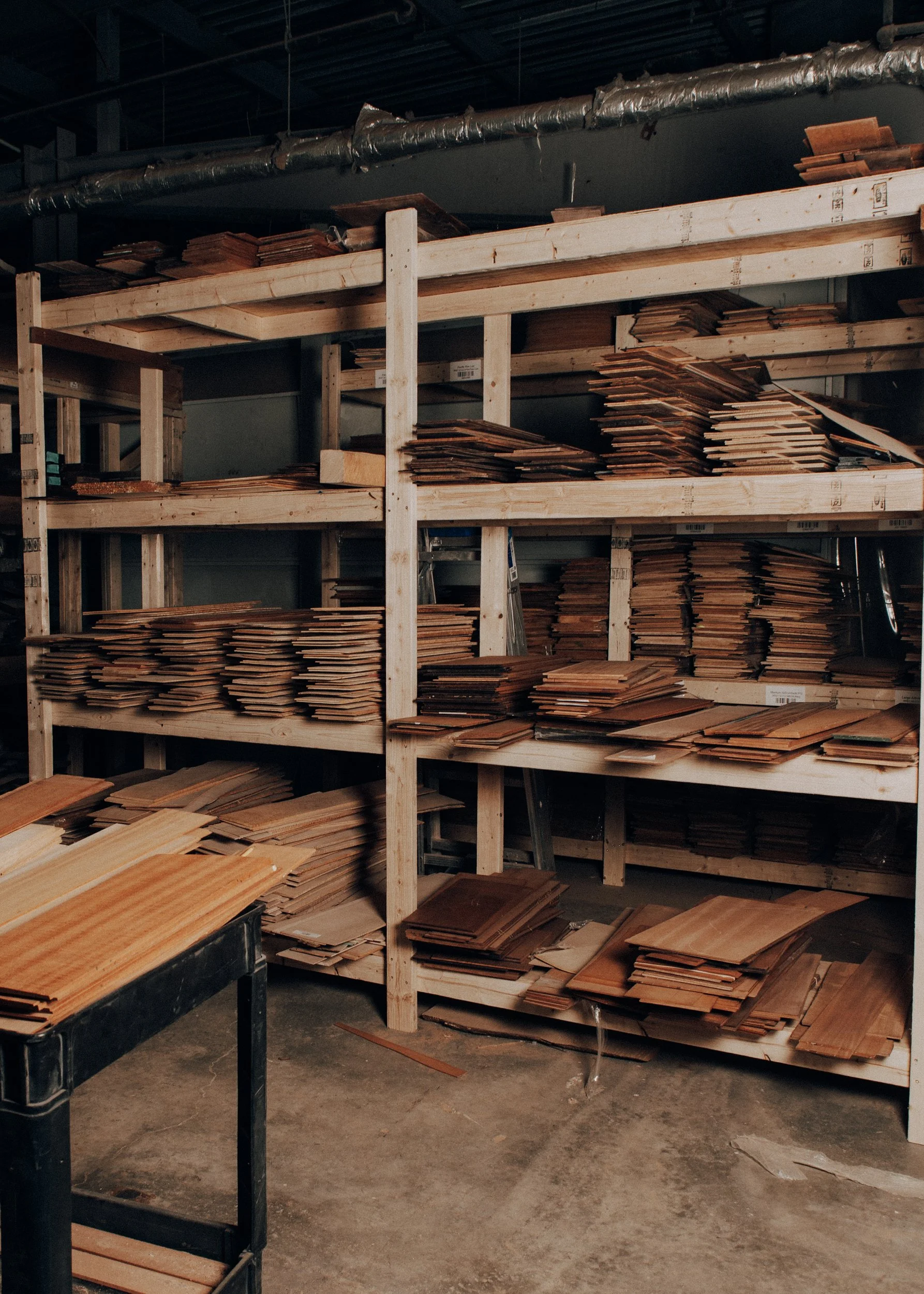
If you've spent any time shopping for an acoustic guitar, you've probably run into the word "tonewood" and wondered how seriously to take it. Is it marketing language? Does the wood you choose really change how a guitar sounds? And if it does, how do you know which one is right for you?
The short answer is yes, it matters - but maybe not in the way you think. The longer answer is worth understanding before you commit to an instrument you're going to be playing for years.
The Two Jobs Wood Does in an Acoustic Guitar
Before getting into specific woods, it helps to understand that different parts of the guitar are asking different things from the wood they're made from.
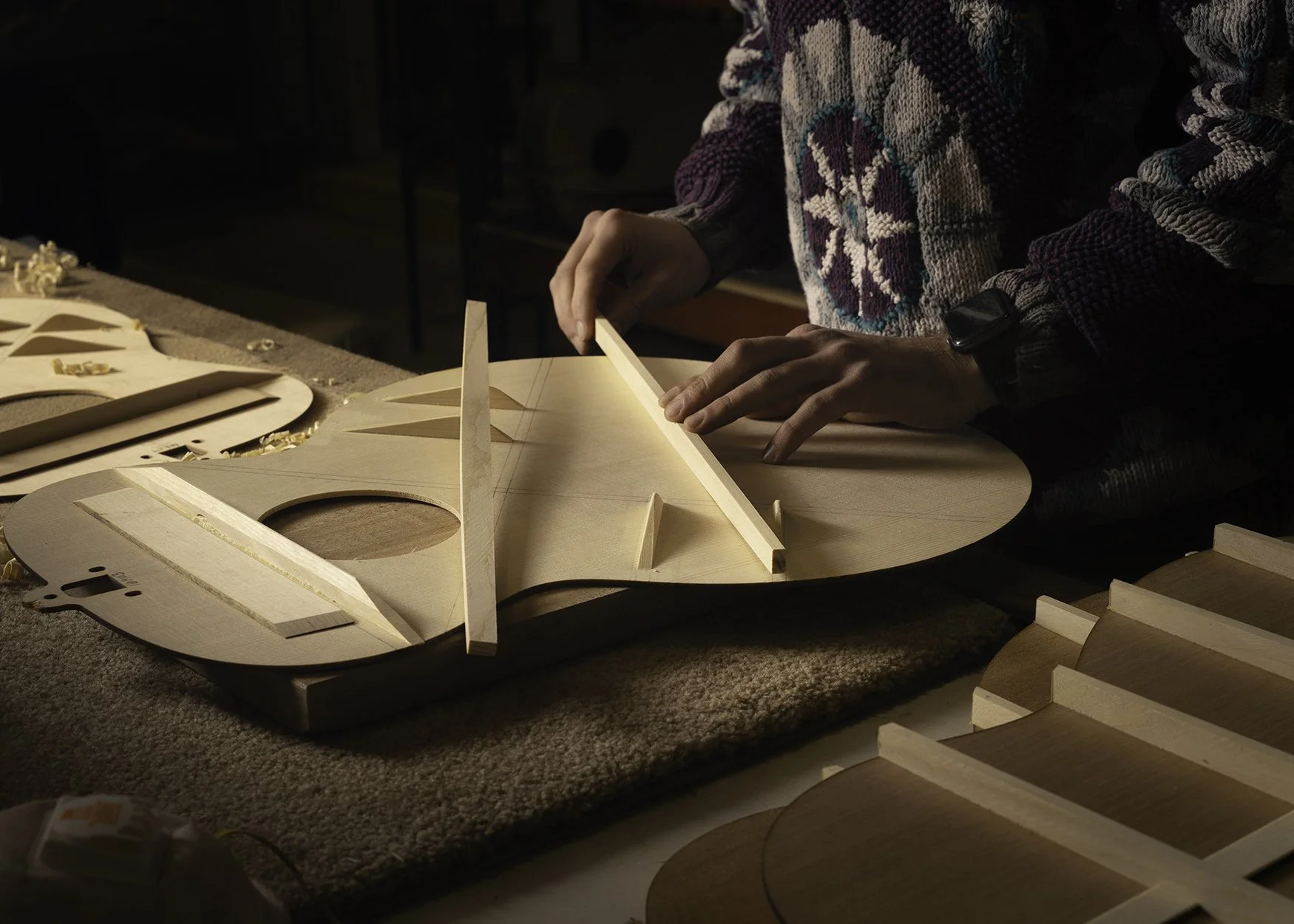
The top - the flat panel under the strings is the engine of the guitar's sound. It vibrates when you play and drives almost everything you hear: the clarity, the projection, the dynamic response. More than anything else on the instrument, the top wood shapes the character of your tone.
The back and sides act more like a resonance chamber. They reflect and amplify what the top produces, adding warmth, depth, or brightness to the overall picture. Players will debate endlessly about how much back and sides matter, but the broad consensus is that the top comes first.
With that in mind, here's how the three most common tonewoods actually behave.
Spruce: The Classic for a Reason
Sitka spruce is the most widely used top wood in acoustic guitar making, and it earned that reputation. It's stiff, light, and remarkably responsive across a wide range of playing styles.
What you hear with spruce is clarity and headroom. It has a defined, articulate quality that rewards both light fingerpicking and hard strumming, the harder you push it, the more it gives back. High frequencies ring out cleanly, and there's a natural sparkle to the top end that works well for players who need their guitar to cut through a mix or sit forward in a recording.
Adirondack spruce - sometimes called "red spruce" is a step up in stiffness and stature. It was the wood of choice for pre-war American guitar builders and produces a more complex, piano-like response with exceptional dynamic range. When you hear people chase that vintage sound, a lot of what they're chasing is Adirondack.
One thing worth knowing: spruce takes a while to open up. A new spruce guitar often sounds tighter and a little restrained compared to one that's been played for years. The more you play it, the better it gets.
Mahogany: Warm, Direct, and Deeply Musical
Mahogany is the other great story in acoustic guitar building, and in many ways it's the soul of the instruments that came out of the Depression era.
Where spruce pushes outward with clarity and volume, with mahogany the midrange is prominent and present - often described as a warm, woody quality. Less sparkle, more body. Less projection, more warmth.
That characteristic makes mahogany guitars an interesting choice for singer-songwriters and roots players who want their voice and guitar to occupy the same sonic space rather than competing for it. It also responds beautifully to fingerpicking, where its natural compression and balance become real assets.
All-mahogany builds - top, back, and sides - double down on that warmth and produce something slightly different again: a drier, more focused tone that sits beautifully in a recorded mix without needing much help.
Rosewood: Rich, Complex, and Full-Range
Brazilian and Indian rosewood back and sides were the standard on high-end acoustic guitars for most of the 20th century, and there's a reason they were. Rosewood produces the widest frequency response of the three - deep, authoritative bass, complex mids, and sparkling highs that seem to continue ringing long after the note has decayed.
Paired with a spruce top, rosewood back and sides create the "classic" acoustic guitar sound that most people have in their heads: full, resonant, present across the whole register. It's a generous wood, and guitarists who play a lot of open chord work or need that low-end authority tend to gravitate toward it.
Beyond the Big Three TONEWOODS
Once you move past spruce, mahogany, and rosewood, things get interesting. Tonewoods like walnut, maple, and cherry each bring their own personality - maple is bright and focused with a punchy attack; cherry sits somewhere between mahogany and rosewood with a balanced, even response; walnut has a natural mid-forward warmth that's hard not to like.
There's also growing interest in non-traditional top woods. Reclaimed redwood, for instance, produces a vintage-like warmth from day one - it sounds broken in immediately in a way that spruce takes years to develop.
How Iris Thinks About Tonewoods
At Iris Guitar Company, tonewood selection is central to everything. The instruments are inspired by Depression-era flattops, and that heritage runs right through the wood choices: traditional mahogany and spruce builds sit at the core of the lineup, while optional tonewoods like figured cherry, big leaf maple, walnut, and reclaimed redwood give players room to find something genuinely their own.
One of the things that makes this possible is access. As part of the same family of brands as Allied Lutherie - one of the most respected tonewood suppliers in the business. Iris has direct access to an exceptional range of carefully sourced and graded tonewoods that most builders simply can't get their hands on. That relationship helps to shape the quality and consistency of every instrument that leaves the shop.
The result is guitars that are tonally considered rather than tonally convenient - each combination chosen because it contributes to that vintage-inspired voice the instruments are built around.
So Which Wood Is Right for You?
The honest answer is that you should trust your ears over any guide, including this one. But if you're starting from scratch: if you play with a lot of energy and want clarity and projection, lean toward spruce. If you want warmth, intimacy, and a tone that feels rooted and organic, explore mahogany. If you want the full orchestral picture, rosewood is where most players end up.
And if you want to understand what all three can sound like in instruments that have been genuinely thought about? Start with a guitar that takes its tonewoods seriously.